What Works In Dropout Prevention?
In the heart of Washington, DC, school leaders face a constant struggle: keeping high-risk students engaged and on track toward graduation. When a young person stops coming to class, it is rarely just an academic issue. It is often the result of complex challenges outside the classroom, ranging from housing instability to a lack of targeted mental health supports.
Every year, dedicated educators across DC Public Schools (DCPS) and local charter networks work tirelessly to bridge these gaps. Yet standard discipline and traditional remedial classes frequently fail to solve the underlying root causes.
Without tailored interventions, vulnerable youth drift further away from academic success.
Real progress requires a proven approach that combines community support, emotional well-being, and academic rigor. By addressing the whole child, we can transform vulnerable schools into thriving centers of opportunity.
The Core Elements of Effective Academic Youth Interventions
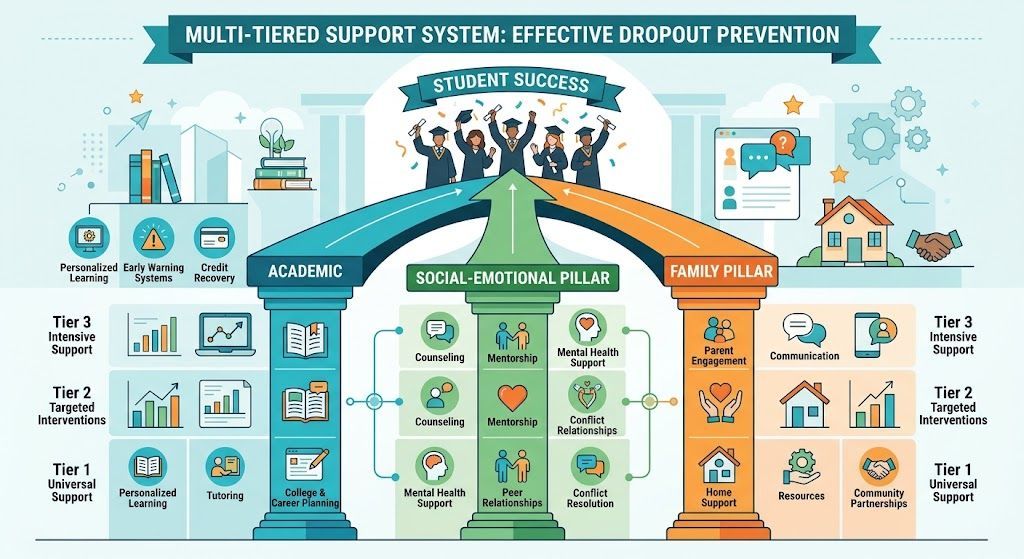
Successful dropout prevention programs Washington DC rely on early identification rather than reactive discipline. When schools track attendance, course performance, and behavioral signals early, educators can step in long before a student considers walking away.
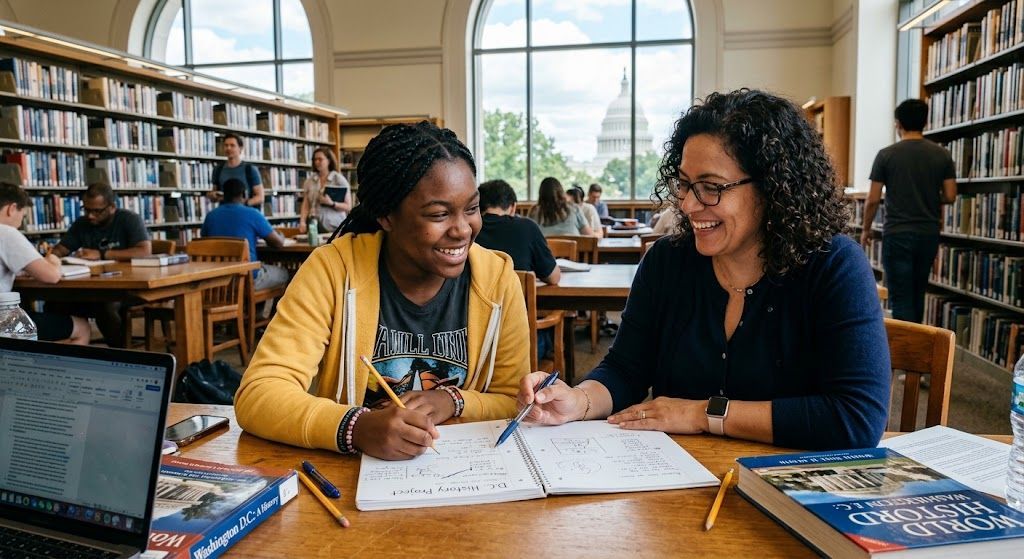
Targeted academic support must match the specific needs of each learner. Tutoring, flexible credit-recovery options, and peer mentoring build confidence and keep students connected to their educational goals.
Integrating Social-Emotional Learning and Mentorship
Students facing severe adversity need trusted adult relationships within the school building. Mentorship programs give youth a reliable sounding board and practical guidance to manage stress.
Social-emotional learning equips students with conflict-resolution skills and self-regulation techniques. When young people feel safe and understood, their academic performance improves naturally.
Transforming Schools Through Full-Service Community Model Infrastructure
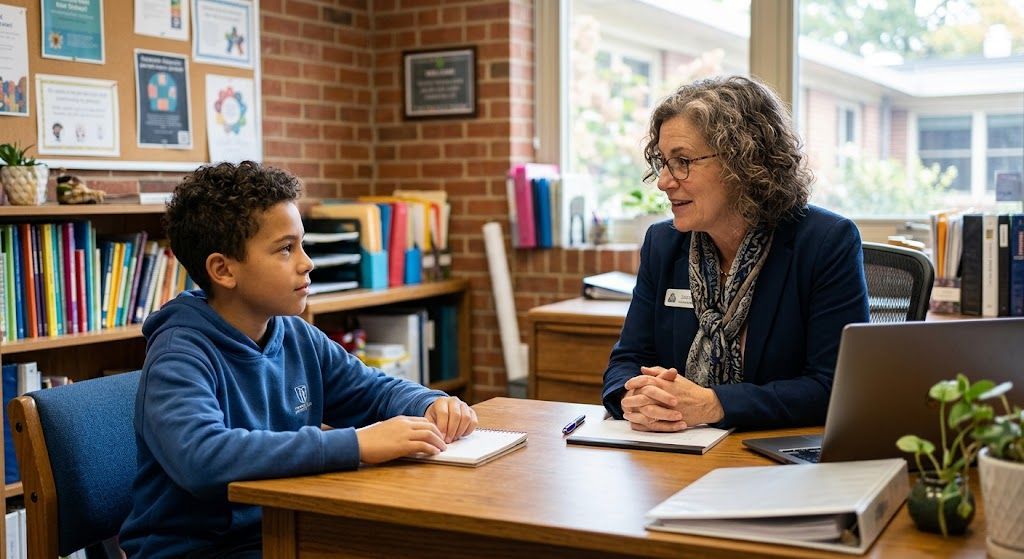
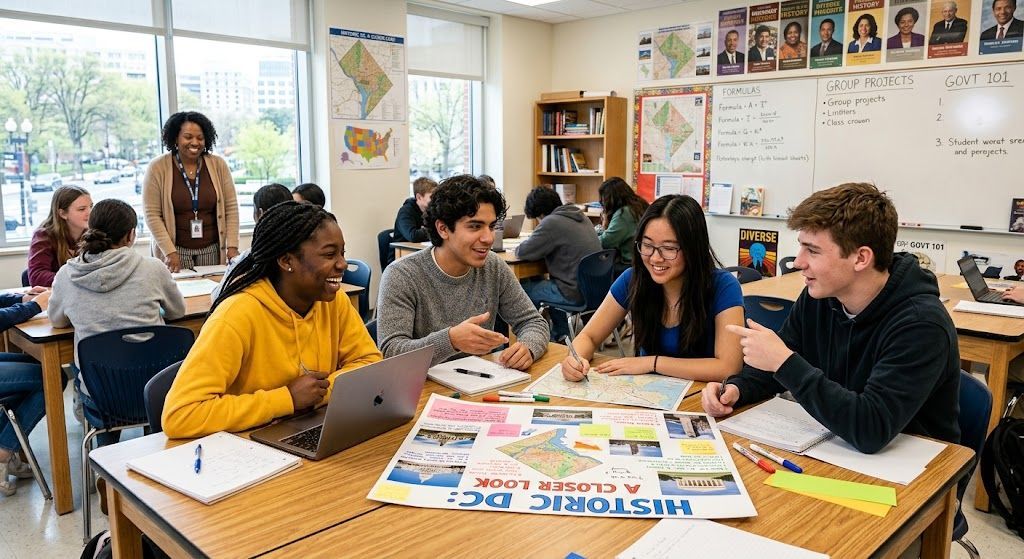
Single-focus interventions often fall short because student needs span far beyond the classroom door. Full-Service Community Schools DC integrate health services, nutritional support, and family resources directly into the school building.
By turning schools into neighborhood hubs, administrators eliminate major barriers to learning. Parents gain access to adult education and community resources, creating a stable home environment that reinforces student attendance.
Wraparound Supports for High-Risk Youth
Wraparound services bring together counselors, social workers, and community partners under one roof. Instead of referring families to distant clinics, schools provide on-site mental health care and crisis assistance.
This integrated approach ensures no student falls through the cracks. It lightens the load for teachers, allowing them to focus on instruction while specialists address external stressors.
Targeted Programs For Disadvantaged Youth That Drive Results
Effective intervention strategies require evidence-based models adapted to the unique needs of Washington, DC neighborhoods. Programs for disadvantaged youth must pair high expectations with practical life-skills training and career exposure.
Work-based learning and internships show students the direct link between high school completion and financial stability. When youth see a clear path to meaningful employment, school relevance increases exponentially.
Restorative Practices Over Zero-Tolerance Policies
Punitive discipline models often accelerate the pushout of vulnerable students. Replacing suspensions with restorative justice practices keeps youth in the classroom while holding them accountable.
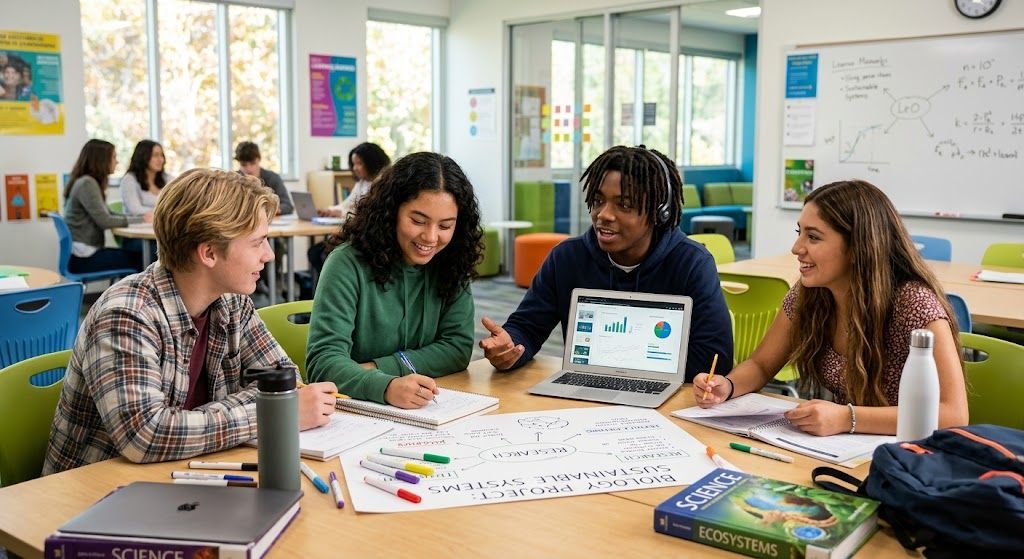
Restorative circles and peer mediation build a culture of mutual respect. This shift keeps students connected to their peers and educators, significantly reducing dropout rates.
Building Strong Partnerships in Washington, DC
Educational outcomes improve dramatically when local districts partner with experienced non-profit organizations. School administrators in Washington, DC do not have to build these complex support structures from scratch.
Collaborating with established community entities brings proven methodologies, dedicated staff, and additional funding resources directly into DCPS and charter campuses.
Partner With The Eisenhower Foundation to Keep DC Students on Track
The Eisenhower Foundation is dedicated to helping Washington, DC school leaders implement high-impact educational models. Call us today at 202-234-8104 to discuss how our team can integrate proven dropout
prevention programs and full-service community school strategies into your campus this academic year.
Frequently Asked Questions
What are the primary warning signs that a student is at risk of dropping out?
The most reliable indicators include chronic absenteeism, failing two or more core subjects, and frequent disciplinary referrals. Early identification of these signs allows educators to deliver targeted interventions before a student disengages completely.
How do full-service community schools differ from traditional public schools?
Full-service community schools integrate academic instruction with on-site health care, mental health support, family engagement, and social services. They serve as neighborhood hubs that address the needs of the whole child and family.
Can non-profit partner programs fit into existing school budgets?
Yes. Non-profit partners often help schools leverage external grant funding, federal resources, and community assets to implement wraparound services without straining the core instructional budget.
How can DC school administrators begin integrating dropout prevention strategies?
Administrators can start by conducting a campus needs assessment and partnering with established organizations like the Eisenhower Foundation to design tailored intervention plans.
By taking proactive steps today, DC Public School administrators, charter leaders, and academic counselors can create safe, supportive environments where every student thrives. Contact the Eisenhower Foundation at
202-234-8104 to bring effective academic youth interventions to your school community.