What Is the Quantum Opportunities Program?
High school is a pivotal season for young people. For many students across Washington, DC, the transition into young adulthood comes with complex challenges, from academic pressures to a lack of safe, structured out-of-school environments. When local educational leaders, non-profit partners, and parents look for real solutions, they often encounter programs that sound promising on paper but lack long-term, proven results.
Bridging the gap between potential and achievement requires more than temporary fixes. It takes sustained, intensive support designed to guide students through all four years of high school. That is where evidence-based youth programs step in, offering structured environments where students gain academic support, developmental life skills, and meaningful adult mentorship.
The Quantum Opportunities Program stands out as one of the most thoroughly researched initiatives in youth development. Designed to reduce high school dropout rates and boost post-secondary enrollment, this multi-year model transforms outcomes for students who need extra support. Understanding how it works can help local leaders and parents bring these life-changing opportunities to more young people right here in Washington, DC.
The Core Components of the Quantum Opportunities Program
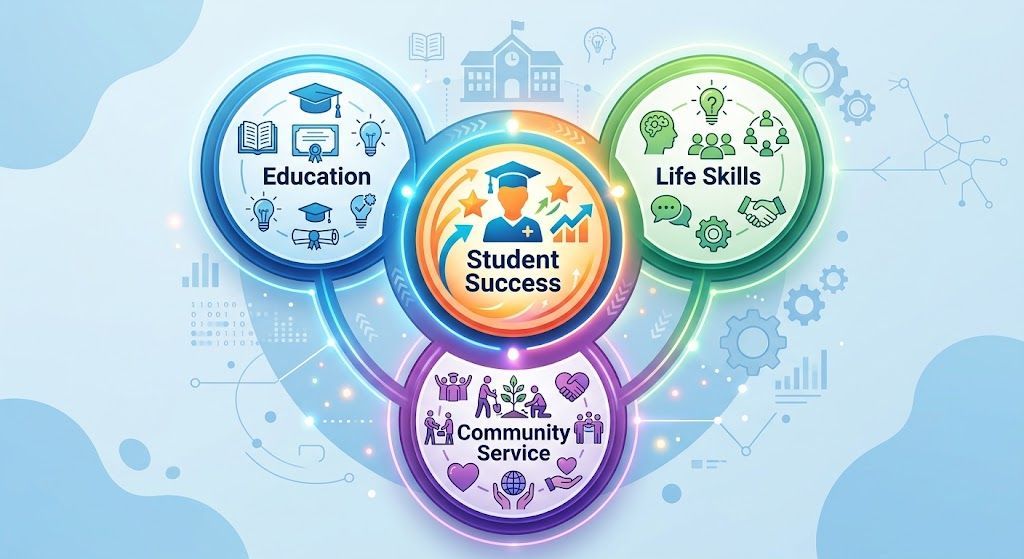
The model is built on a sustained commitment. Unlike traditional after-school activities that run for a few weeks or a single semester, this program supports participants from their freshman year of high school all the way through graduation. The framework focuses on three main pillars: education, developmental activities, and community service.
Academic Enrichment and Tutoring
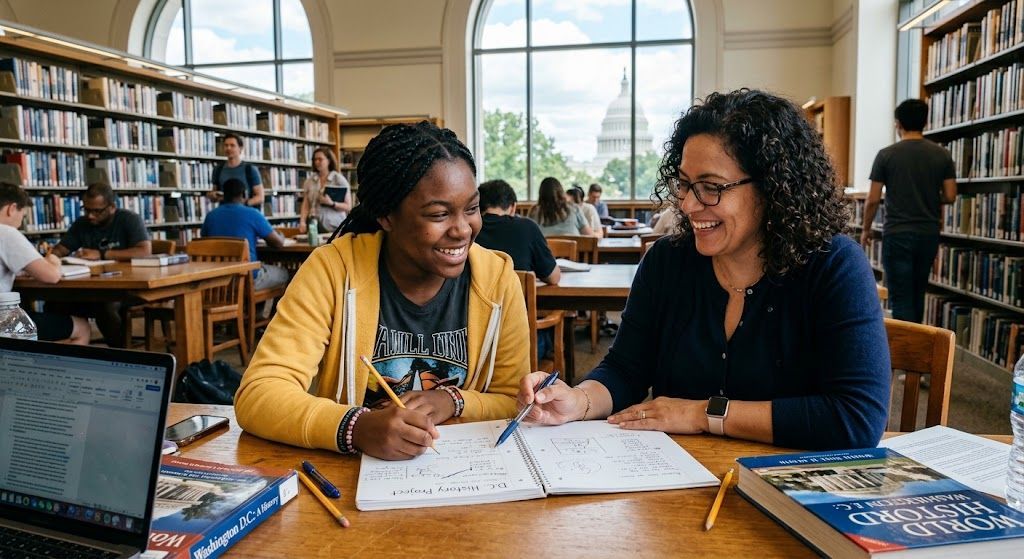
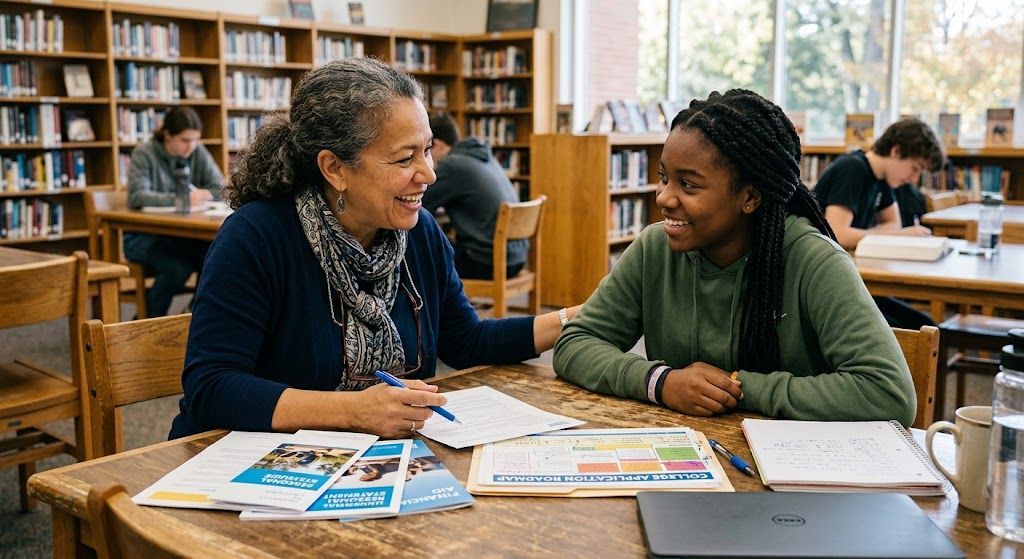
Students receive consistent, individualized academic support to help them stay on track for graduation. Tutors and mentors work directly with participants to tackle homework, build core study habits, and prepare for standardized tests. By removing academic friction points early, students build confidence and stay engaged in their coursework.
Life Skills and Career Exploration
Education goes beyond textbooks. Program participants take part in structured workshops covering financial literacy, communication, emotional health, and leadership. Career exploration activities reveal real-world career paths through job shadowing, workplace tours, and college campus visits, helping students set concrete goals for their lives after high school.
Community Service and Civic Engagement
Giving back is built into the fabric of the curriculum. Participants organize and complete local service projects, developing a deep sense of civic responsibility and connection to their neighborhoods. In return for their active participation in these three pillars, students earn small financial stipends, teaching them early financial discipline and rewarding their dedication.
What Does Quantum Opportunities Program Research Show?
Investing time and resources into youth initiatives requires confidence that the model actually works. Fortunately, decades of rigorous Quantum Opportunities Program research provide a clear picture of its long-term impact on participants.
Independent studies tracking program cohorts over multiple years consistently show significant improvements across key educational metrics. Participants graduate from high school at substantially higher rates than their peers in control groups. Furthermore, the research indicates a notable decrease in high school dropout rates and lower involvement in risky behaviors during teenage years.
The multi-year duration of the model is a key reason for its success. By maintaining a stable presence throughout all four years of high school, staff build deep, trusting relationships with students. This continuous support system helps teenagers navigate personal and academic setbacks without falling off track.
Understanding the Results of Quantum Opportunities Program Evaluation
Evaluation standards in youth development are strict, and for good reason. Public and private funders need assurance that their investments generate measurable, lasting change. Every major Quantum Opportunities Program evaluation highlights the model’s strong return on investment for communities.
Long-Term Post-Secondary Attainment
Evaluations follow students past their high school graduation ceremonies. Data reveals that program alumni enroll in post-secondary education—including four-year universities, community colleges, and trade certification programs—at higher rates than non-participants. They enter young adulthood with clear career goals and the foundational skills needed to achieve them.
Data-Driven Continuous Improvement
The evaluation process is not just a final report card; it is a tool for ongoing program refinement. Evaluators track daily attendance, academic progress, stipend distribution, and service hours. This ongoing data collection allows site directors to adjust support quickly whenever a student shows signs of struggle.
Why Evidence-Based Youth Programs Matter for Our Communities
Communities often struggle with fragmented youth services that lack clear evidence of effectiveness. Investing in evidence-based youth programs ensures that time, energy, and funding go toward strategies proven to move the needle for young people.
Evidence-based models provide a clear, reliable blueprint. Instead of relying on guesswork, site leaders follow tested operational frameworks, staff training protocols, and curriculum guides. This structure creates consistency across different program sites while remaining flexible enough to adapt to local neighborhood dynamics.
When organizations implement models backed by hard data, local grant funders and non-profit partners can invest with confidence. They know their support directly translates into higher graduation rates, safer neighborhoods, and stronger local economies.
Implementing Quantum Opportunities in Washington, DC

Every city has unique needs, and Washington, DC is no exception. From Ward 7 and Ward 8 to neighborhoods across the District, local students deserve access to proven resources that expand their horizons and support their educational journeys.
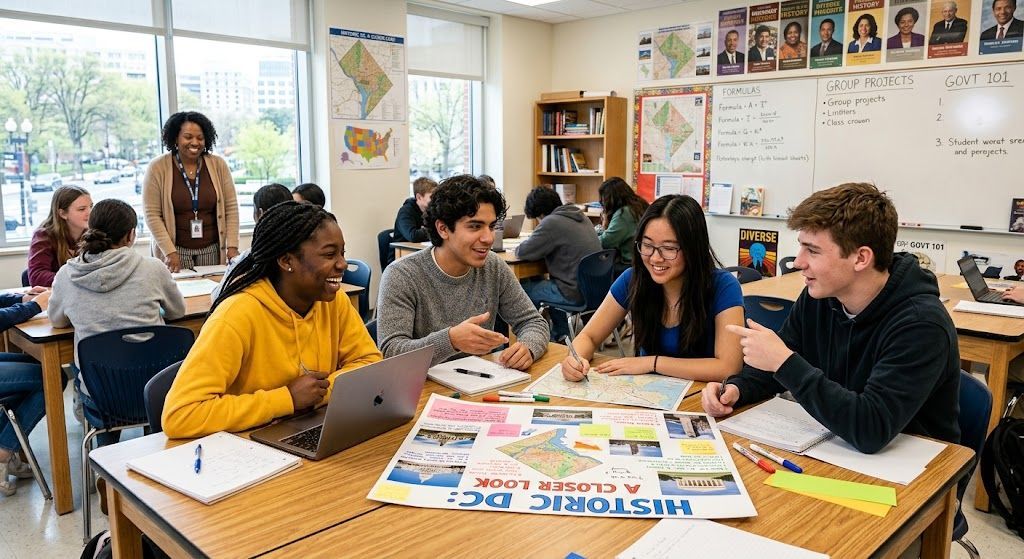
Implementing this model locally means building strong partnerships with DC public and charter schools, local community centers, and dedicated mentors. By establishing stable program hubs across the city, we can ensure that local students receive the academic backup, adult guidance, and community connections they need to thrive in high school and beyond.
Partner With The Eisenhower Foundation to Empower Local Youth
Creating lasting change for students takes a collective effort. The Eisenhower Foundation is dedicated to advancing proven, research-backed initiatives that lift up youth and strengthen neighborhoods. Whether you are an educational leader seeking to bring an effective model to your school, a local grant funder looking to invest in real results, or a parent seeking support for your teenager, we invite you to join us. Contact The Eisenhower Foundation today at 202-234-8104 to learn more about how you can enroll a student or partner with us right here in Washington, DC.
Frequently Asked Questions
H3: Who is eligible to participate in the Quantum Opportunities Program?
The program primarily targets entering high school freshmen who could benefit from extra academic, social, and personal support. Selection often occurs at the start of ninth grade, and participants remain in the program throughout all four years of high school.
How are the student stipends managed and earned?
Students earn small financial incentives based on their active participation in program components, including academic sessions, life skills workshops, and community service projects. This stipend model encourages regular attendance while teaching basic money management skills.
How does this program differ from a standard after-school tutoring service?
While traditional tutoring focuses strictly on academics, this model takes a holistic, four-year approach. It combines academic support with intensive mentoring, life skills training, career exploration, and community service, keeping the same group of students together through graduation.
How can local DC organizations and schools launch a local site?
Schools, non-profit organizations, and community hubs can partner with experienced administrators and funding partners to bring a site to their facility. Reaching out to organizations like The Eisenhower Foundation is the best first step to explore partnership opportunities.
Building strong futures for the youth of Washington, DC requires proven strategies, dedicated mentorship, and real community collaboration. The Quantum Opportunities Program has demonstrated for decades that with sustained support, every student can achieve academic success and long-term stability. Contact The Eisenhower Foundation at 202-234-8104 today to discover how we can work together to empower the next generation.