Evidence-Based Solutions to Urban Violence in Washington, DC
Public safety remains a top priority across the District. Neighborhood coalitions, local leaders, and advisory committees constantly look for strategies that create lasting peace on our streets. The challenge isn't a lack of concern—it is finding strategies that deliver real, measurable results.
For decades, traditional approaches to public safety have often relied on reactive measures. However, true safety comes from addressing the root causes of urban violence through proven, neighborhood-focused strategies. Community-driven initiatives build trust, empower residents, and provide sustainable pathways for youth.
By focusing on evidence-based crime prevention, Washington DC can pioneer lasting change. Combining rigorous urban violence research with hands-on neighborhood programs creates safer streets for everyone.
The Power of Community-Based Crime Prevention in Washington, DC
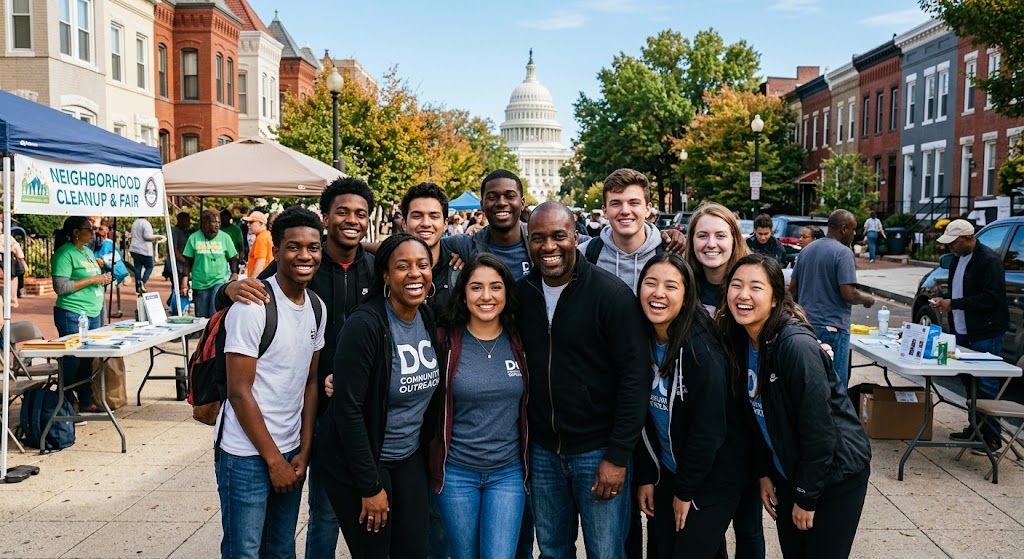
Effective safety strategies begin at the neighborhood level. Community-based crime prevention Washington DC models focus on empowering local residents to take ownership of their surroundings. When neighbors band together backed by structured support, crime rates drop significantly.
These programs focus on proactive engagement rather than reactive intervention. By establishing community hubs, improving physical environments, and organizing local watch initiatives, neighborhoods build a resilient defense against violence.
Why Neighborhood Ownership Matters
Top-down approaches often fail because they lack local buy-in. Neighborhood coalitions understand the specific challenges of their streets better than anyone else. Partnering directly with residents ensures that interventions are tailored, culturally relevant, and sustained over the long haul.
Grounding Action in Evidence-Based Crime Prevention
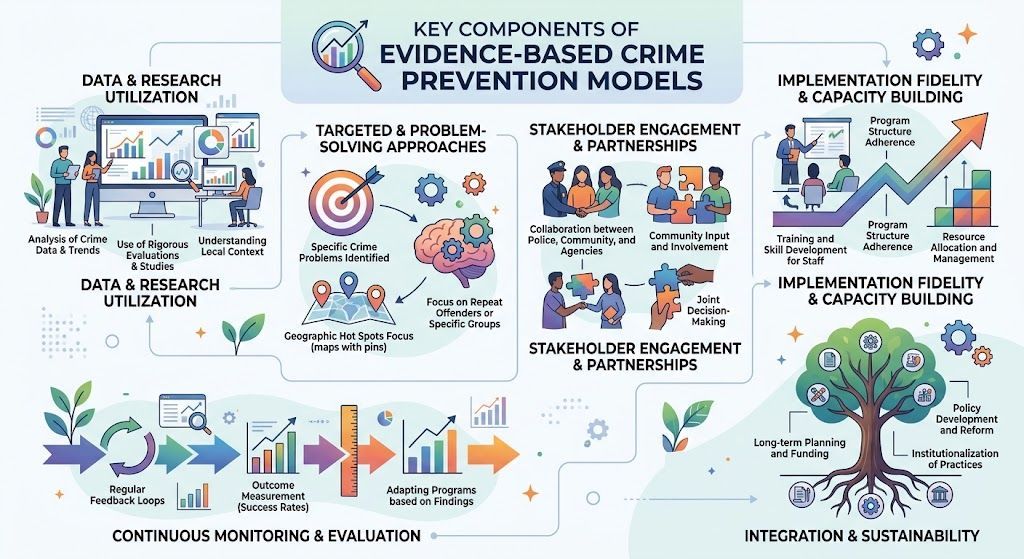
Good intentions are vital, but empirical data must guide effective public safety policy. Evidence-based crime prevention relies on decades of research to identify which interventions actually reduce crime and which fall short.
By analyzing data from successful programs across the country, city planners and policy makers can allocate resources to initiatives with a track record of success.
What the Research Shows
Urban violence research DC initiatives highlight several key factors that consistently reduce violent incidents:
- Direct support for at-risk youth through mentorship and skill building.
- Environmental changes such as improved street lighting and community green spaces.
- Non-violent conflict mediation programs embedded within local communities.
Prioritizing Youth Violence Prevention

Preventing violence before it starts means investing heavily in our youth. Youth violence prevention programs offer young people constructive alternatives to street life, providing educational assistance, job training, and mental health support.
When teenagers and young adults have access to positive outlets and trusted mentors, youth involvement in violent incidents drops dramatically.
Building Pathways Out of Violence
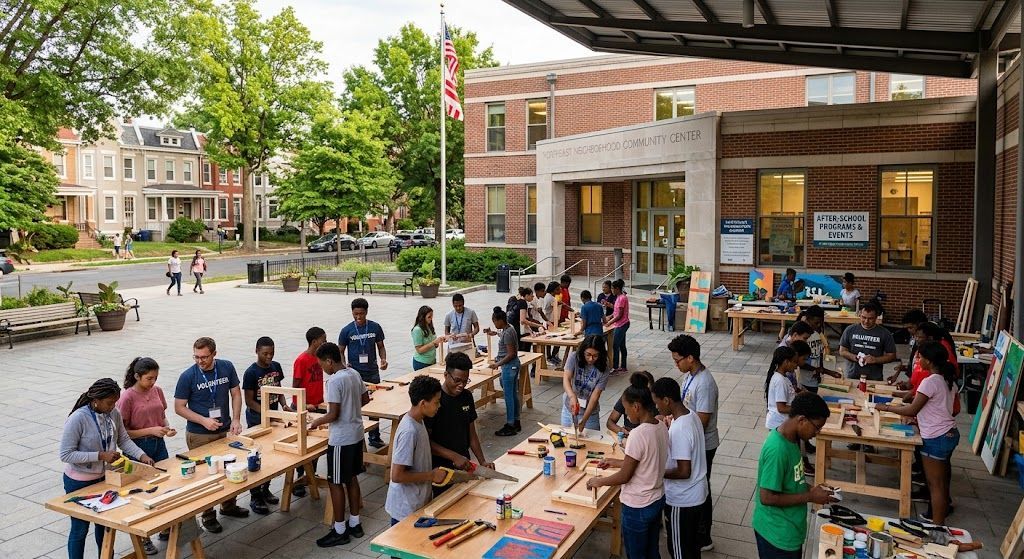
Youth programs succeed when they address the whole picture. Providing safe places after school, professional skills training, and direct mentorship equips young people to overcome environmental challenges and achieve personal success.
Strengthening Public Safety Across Washington, DC
From Anacostia to Columbia Heights, every neighborhood in Washington, DC deserves safe streets and vibrant public spaces. Applying proven public safety strategies across the District requires coordination between DC City Council members, advisory committees, and local leaders.
The Eisenhower Foundation works closely with District stakeholders to translate research into action. Implementing tailored, evidence-based solutions creates safer, stronger communities across all eight wards.

Partner with The Eisenhower Foundation
Ready to bring proven safety solutions to your neighborhood? The Eisenhower Foundation works alongside local leaders, neighborhood coalitions, and advisory committees to design and implement effective safety programs. Contact us today at 202-234-8104 to schedule a workshop or community planning session.
Frequently Asked Questions
What is community-based crime prevention?
Community-based crime prevention is an approach that engages local residents, organizations, and neighborhood groups to proactively address the root causes of crime. Instead of relying solely on law enforcement, it empowers communities to implement local safety solutions.
How does evidence-based crime prevention differ from traditional methods?
Evidence-based crime prevention relies on rigorous scientific research, data, and evaluated program outcomes to determine which safety strategies work. This ensures public resources fund proven initiatives with measurable results.
How can local neighborhood coalitions get involved in youth violence prevention?
Neighborhood coalitions can partner with research organizations and service providers to bring structured youth mentorship, conflict resolution, and job training programs directly into their local communities.
Who can schedule a planning session with The Eisenhower Foundation?
Public Safety Advisory Committees, city officials, neighborhood coalitions, and community leaders in Washington, DC can all schedule planning sessions to build custom safety strategies for their areas.
Investing in our neighborhoods through community-based crime prevention Washington DC models creates real, lasting safety. Let's work together to implement research-backed solutions that protect our youth and strengthen our District. Contact The Eisenhower Foundation at 202-234-8104 to schedule a workshop or community planning session today.