What The Kerner Commission Report Tells Us Today
In 1968, the National Advisory Commission on Civil Disorders—popularly known as the Kerner Commission—released a landmark assessment of American society. Its primary finding was stark and uncompromising: "Our nation is moving toward two societies, one black, one white—separate and unequal." The report pointed directly to systemic racism, economic exclusion, and institutional neglect as the primary drivers of urban unrest across the country.
Decades later, that warning still resonates throughout the neighborhood streets and halls of government across Washington, DC. While our city has seen remarkable growth and legislative progress, the structural cracks identified in the original report remain visible in unequal wealth distribution, segregated housing patterns, and unequal access to community resources.
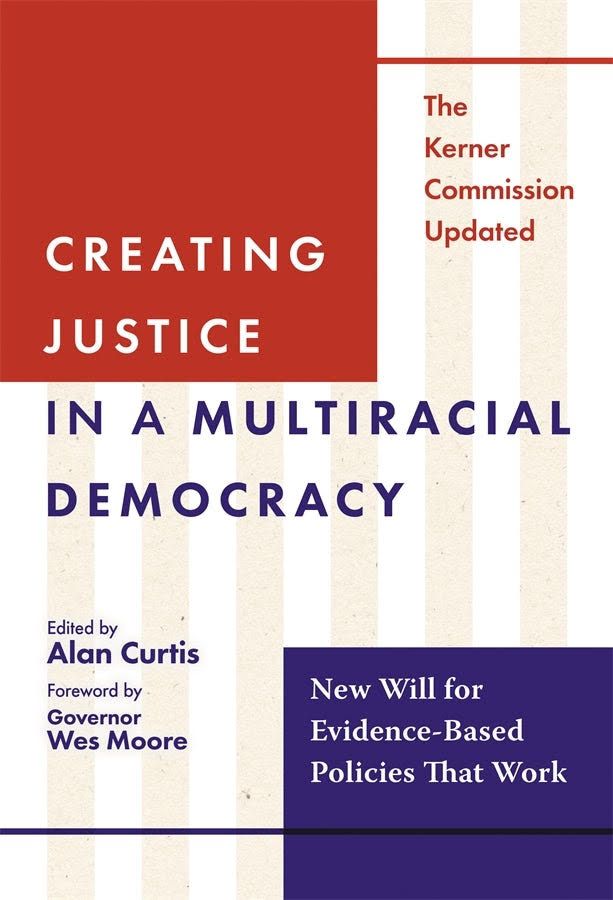
Understanding the Kerner Commission Report is not just an exercise in political history; it is a vital blueprint for active reform. At The Eisenhower Foundation, we continue the work of analyzing these historical insights to power modern solutions. By turning historical evidence into action, we can build equitable neighborhoods right here in the nation's capital.
The Core Lessons of the 1968 Kerner Commission
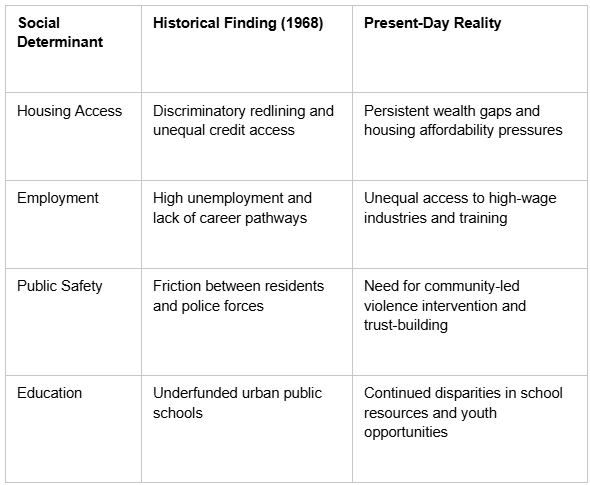
The Kerner Commission departed from previous government studies by looking beyond immediate triggers of civil unrest. Instead of blaming individuals, it focused on structural failures in housing, employment, education, and public safety. The report concluded that widespread social stability requires deep economic and institutional investment in marginalized communities.
Key takeaways from the report include:
- Institutional racism, not individual bad actors, drives systemic urban disparities.
- Economic mobility relies on equal access to quality jobs, safe housing, and effective schools.
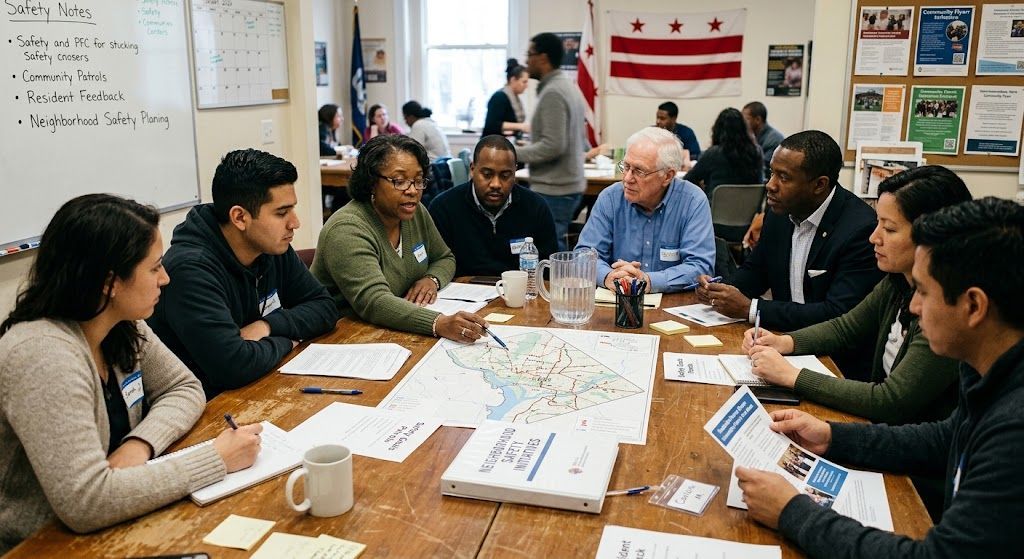
- Community stability requires public safety strategies built on local trust rather than aggressive suppression.
Translating Lessons into Modern Action in Washington, DC
Urban Violence Research and Evidence-Based Safety
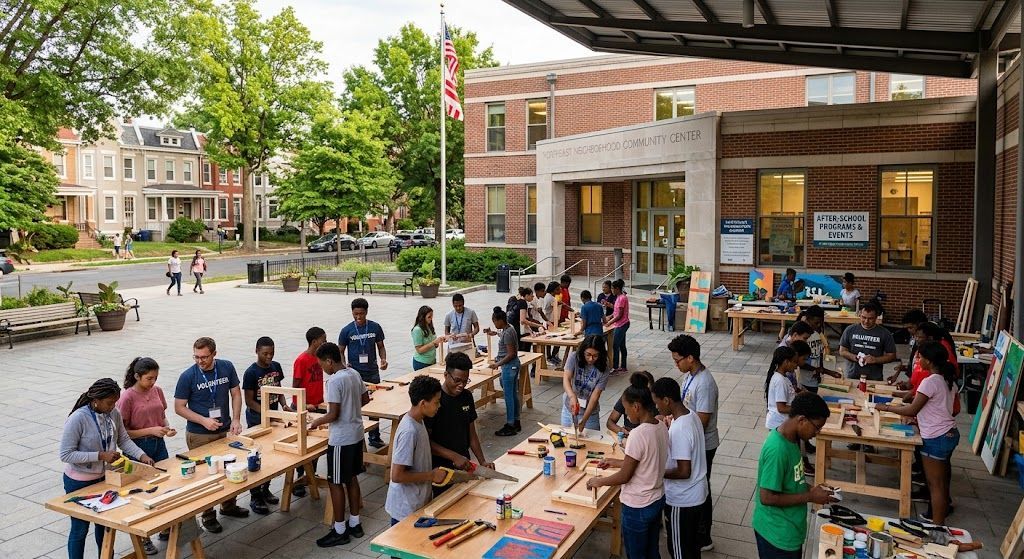
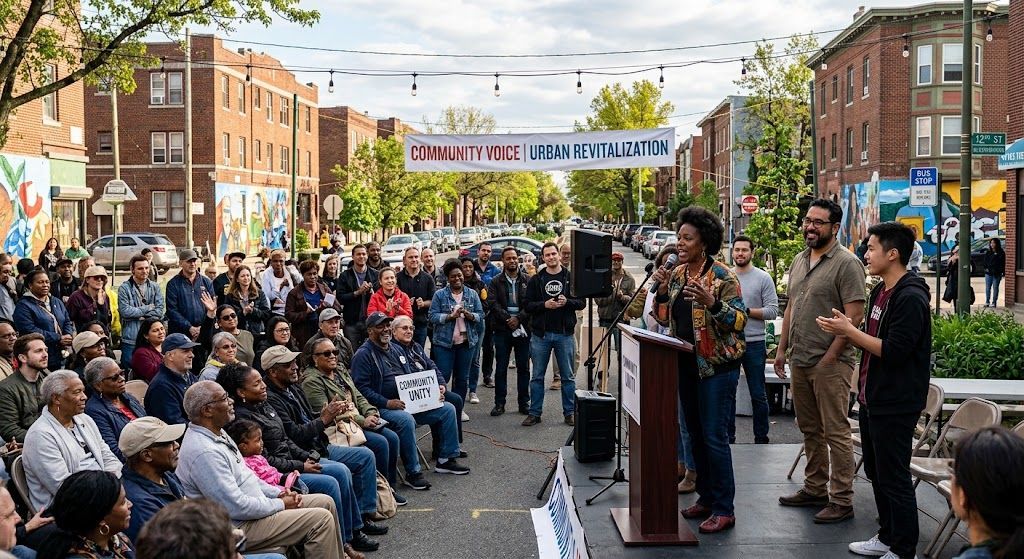
Modern urban violence research confirms what the Kerner Report stated decades ago: violent crime is tied to concentrated poverty and historic disinvestment. Crime prevention cannot succeed through law enforcement strategies alone. Effective community violence prevention relies on wraparound services, youth development programs, and direct economic support for neighborhood corridors. Investing in proven social safety nets directly reduces conflict and builds safer communities across Washington, DC.
Advancing DC Social Equity Through Policy Reform
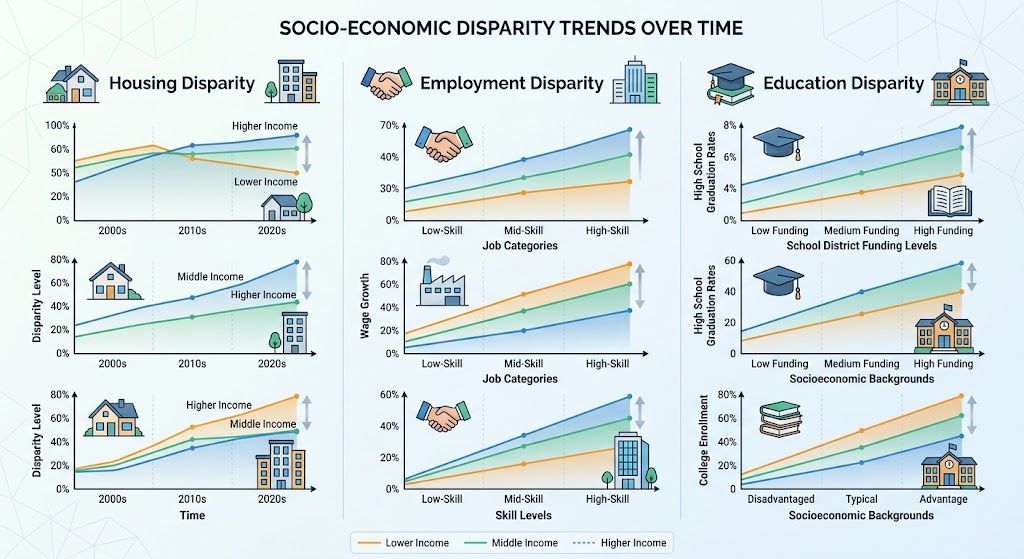
Achieving true DC social equity requires addressing long-standing structural gaps head-on. Policy decisions around zoning, public transit access, and municipal funding directly shape the daily reality of local families. By connecting rigorous academic studies with grassroots advocacy, decision-makers can construct legislation that expands opportunity across every ward, ensuring growth is shared by all residents.
Root Causes of Persistent Urban Disparities
Why Rigorous Research Matters for Local Lawmakers and Activists
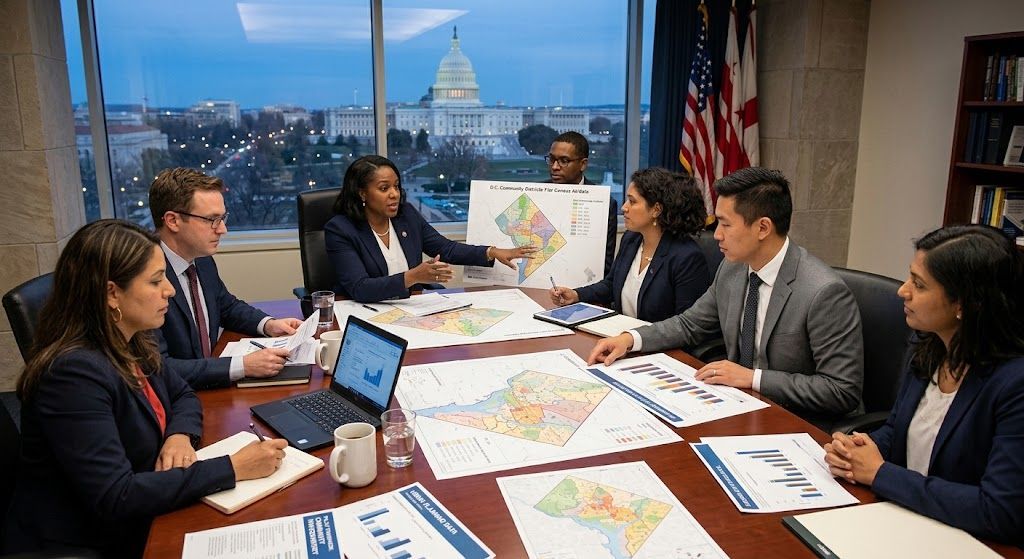
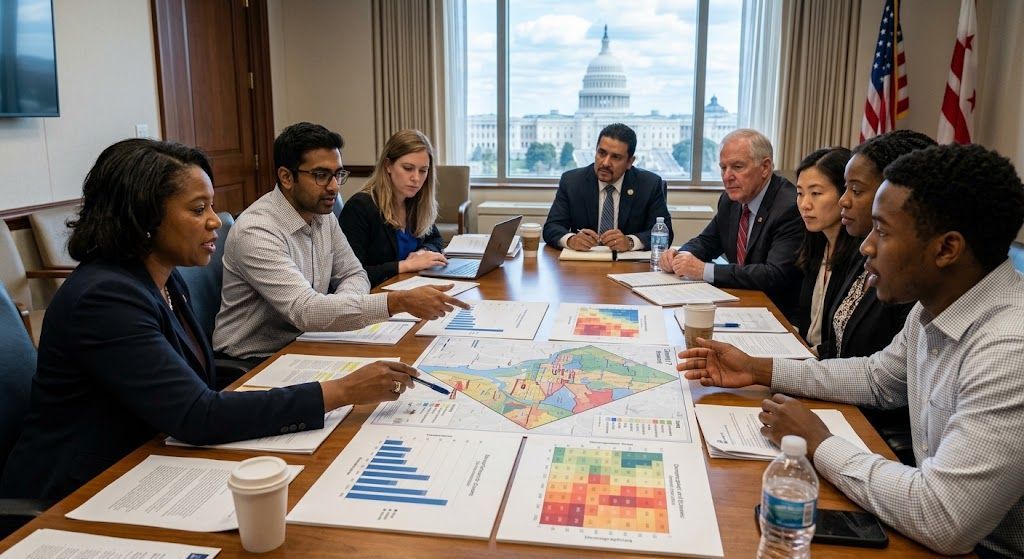
Data bridges the gap between good intentions and effective legislation. For local DC lawmakers, civil rights advocates, and academic researchers, empirical evidence provides the foundation needed to design, test, and fund successful social initiatives.
Racial inequality research in Washington DC helps organizations identify precisely where resources are needed most. Rather than relying on short-term fixes, research-backed policies allow community activists to push for sustainable reforms that address underlying systemic causes.
Driving Equality in Washington, DC Neighborhoods
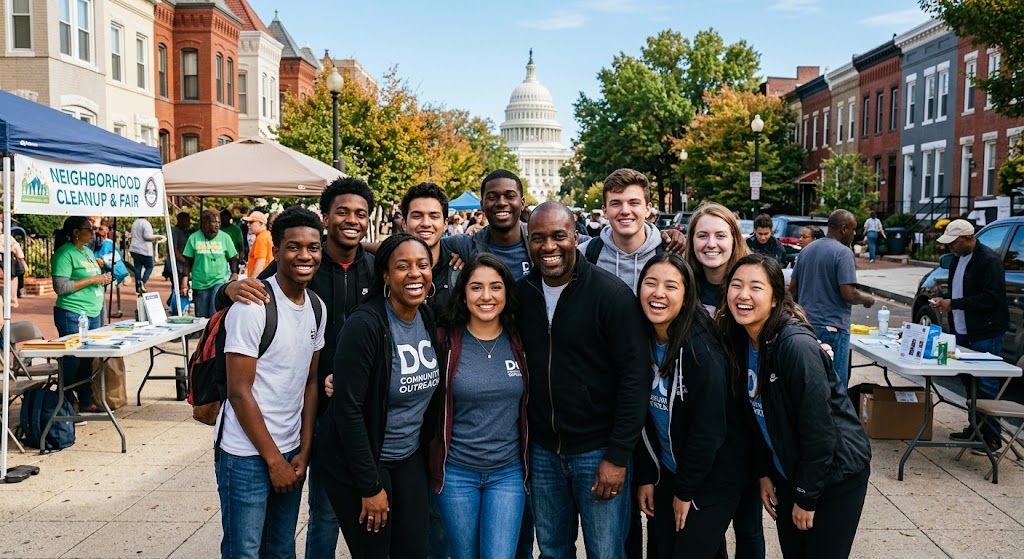
Washington, DC reflects both the challenges and the possibilities of modern urban equity. From Ward 7 and Ward 8 to changing neighborhoods across the District, the push for social and economic balance remains a daily priority. Local challenges require localized solutions. By pairing national historic insights with deep neighborhood engagement, Washington, DC can serve as a model for urban renewal and structural reform across the country.
Collaborate with The Eisenhower Foundation Today
Real change happens when research feeds directly into community action. The Eisenhower Foundation works to advance racial equity, fund community-based crime prevention, and support evidence-based policy solutions. If you are a lawmaker, researcher, advocate, or resident ready to make a measurable impact, we invite you to collaborate with our local task forces. Contact us today at 202-234-8104 to join our ongoing initiatives and help shape a more equitable future for Washington, DC.
Frequently Asked Questions
What was the primary finding of the Kerner Commission Report?
The Kerner Commission concluded that deep-seated systemic racism, economic inequality, and institutional neglect were the primary drivers of urban unrest, famously stating that the nation was moving toward two separate and unequal societies.
How does urban violence research help reduce city crime?
Urban violence research identifies the underlying social and economic factors that lead to crime. This data allows cities to invest in targeted community-based interventions, youth programs, and support services that address root causes rather than relying solely on enforcement.
How can local residents get involved in DC social equity programs?
Local residents can join community task forces, participate in public hearings, support neighborhood non-profits, and engage with civic organizations like The Eisenhower Foundation to advocate for equitable policy reforms.
The lessons of the Kerner Commission Report remind us that creating an equitable society requires continuous commitment, clear data, and direct public participation. By supporting research-driven solutions and active community programs, we can fulfill the unkept promises of the past. Reach out to The Eisenhower Foundation today to take an active role in shaping the future of Washington, DC.