
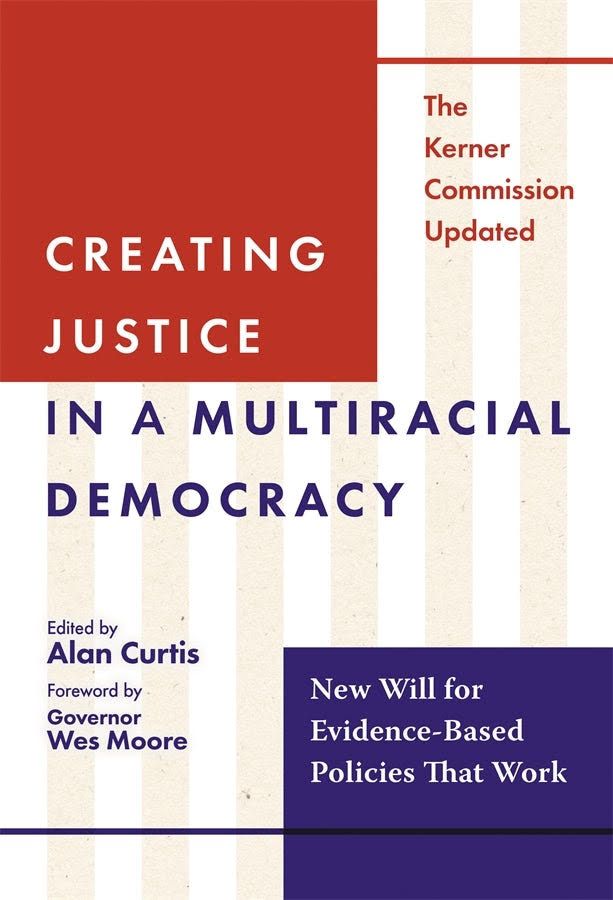
Evidence-Based Strategies For Youth Development
Youth across Washington, DC face complex challenges every day, from educational disparities to limited access to safe community spaces. For school administrators, philanthropists, and non-profit leaders, finding solutions that deliver real, measurable change can feel overwhelming. Standard initiatives often fall short when they rely on good intentions rather than concrete data.
Sustainable progress requires a structural shift. When communities invest in proven methodologies, young people gain the tools they need to build resilience, excel academically, and contribute meaningfully to their neighborhoods.
Combining rigorous academic research with hands-on support turns local challenges into long-term success stories.
The Eisenhower Foundation bridges the gap between academic theory and real-world application. By deploying tested frameworks tailored to urban environments, we help local institutions design and execute initiatives that change lives across the National Capital Area.
The Impact of Youth Development Research on Modern Programs
Translating Data Into Daily Action
Youth development research provides the blueprint for high-impact interventions. Rather than guessing which activities might engage students, data-driven frameworks isolate the exact social, emotional, and academic supports that yield positive outcomes. Research highlights the necessity of structured mentorship, safe environments, and consistent adult support.
Measuring Success Beyond Attendance
Evaluating success means looking past headcounts. True progress is measured by improved graduation rates, lowered court-involvement statistics, and positive emotional well-being. Using empirical metrics ensures that resources go directly toward strategies with a track record of transforming communities.
Designing Effective Programs For Disadvantaged Youth
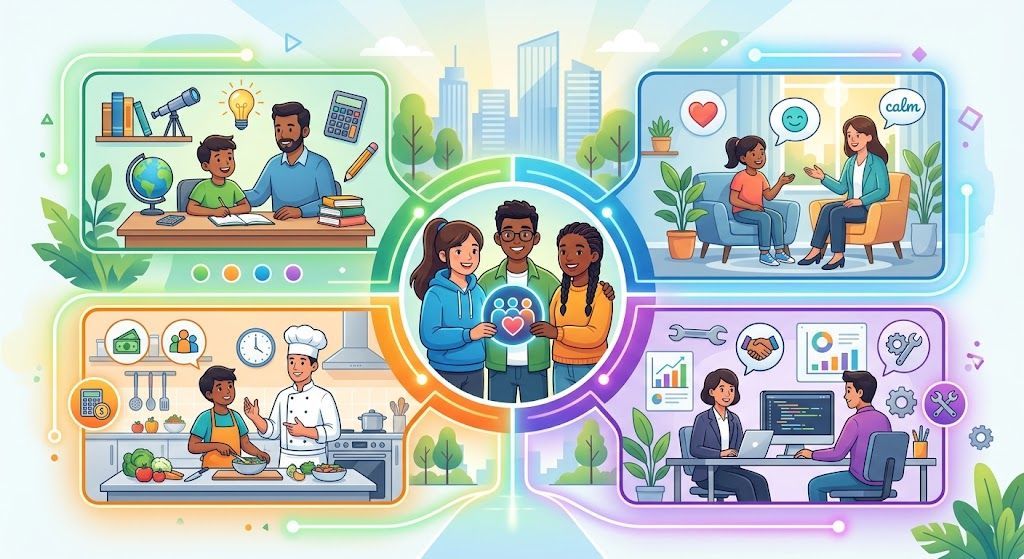
Addressing Whole-Child Needs
Programs for disadvantaged youth must account for the full environment a child navigates. Academic support alone cannot overcome housing instability, trauma, or food insecurity. Effective initiatives integrate wraparound services—combining tutoring with mental health support, life skills training, and nutrition assistance.
Building Trusting Community Partnerships
Top-down initiatives rarely stick. Long-term transformation happens when local leaders, educators, and families work in tandem. Establishing trust within neighborhoods ensures that young people feel safe, heard, and motivated to participate fully in available programming.
Core Pillars of Evidence-Based Youth Programs DC
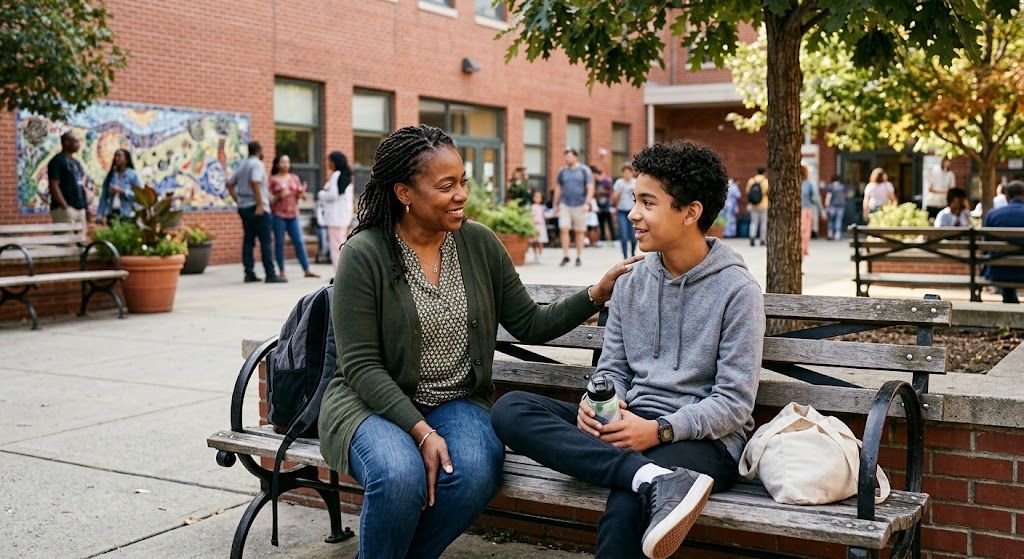
Mentorship and Positive Adult Relationships
Consistent guidance from trained mentors serves as a buffer against adversity. Evidence-based youth programs DC rely heavily on structured mentoring models that foster accountability, self-esteem, and career exploration.
Academic Enrichment and Workforce Readiness
Connecting classroom learning to practical career paths keeps older youth engaged. Integrating STEM education, job shadowing, and financial literacy prepares young adults to enter the local workforce with confidence and competitive skills.
Strengthening Washington DC Communities Through Proven Interventions
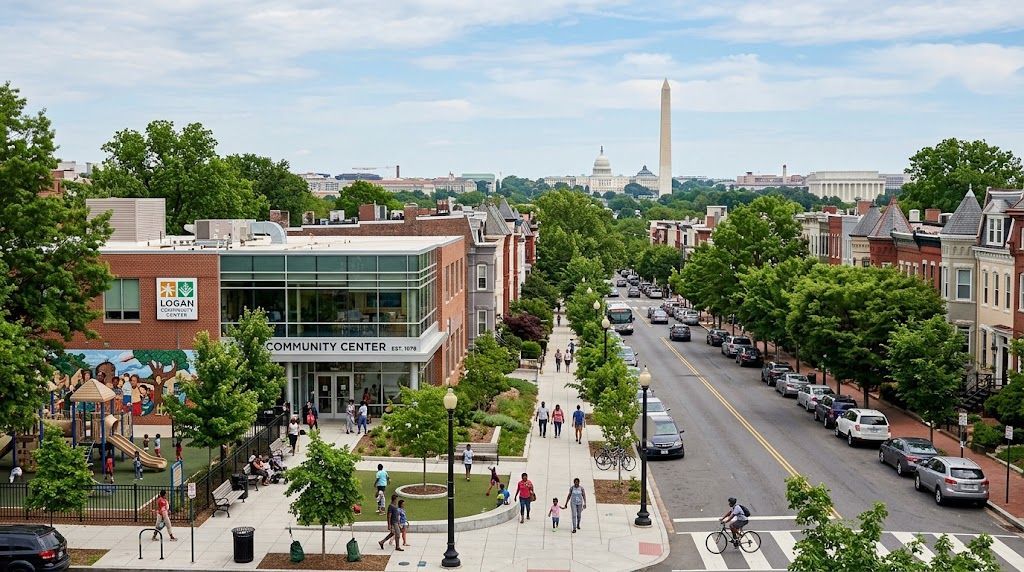
Washington, DC has a rich history of grassroots activism and community resilience. However, neighborhoods across Wards 7 and 8 continue to experience stark resource gaps compared to other parts of the district. Implementing targeted youth development programs Washington DC-wide helps balance these equities, building stronger, safer, and more vibrant neighborhoods from Ward 1 to Ward 8.
Partner With The Eisenhower Foundation
Transforming community intentions into measurable outcomes starts with the right framework. The Eisenhower Foundation collaborates with DC non-profit directors, school administrators, and local philanthropists to design, fund, and execute programs that work. Contact our team today at 202-234-8104 to request a consultation or download our free youth program framework guide to start building a stronger future for local youth.
Frequently Asked Questions
What makes a youth program evidence-based?
An evidence-based program relies on peer-reviewed research, empirical data, and rigorous evaluation rather than informal assumptions. These initiatives use methods tested and proven to produce consistent, positive outcomes for participants over time.
How can school administrators implement these programs locally?
Administrators can start by assessing their school's specific demographic and social needs, then partnering with established non-profit organizations. Integrating evidence-based modules into after-school schedules or advisory periods ensures students receive structured support without disrupting core academic hours.
How do these initiatives support long-term community development?
By equipping young people with emotional resilience, academic skills, and workforce readiness, these initiatives break cycles of generational poverty. Safe, empowered youth contribute to lower crime rates, higher local employment, and stronger civic engagement across the city.
Investing in youth is an investment in the stability and future of our entire region. With the right tools and data-driven methods, local leaders can create lasting opportunities for the next generation. Take the first step today by connecting with The Eisenhower Foundation at 202-234-8104 or downloading our free youth program framework guide.