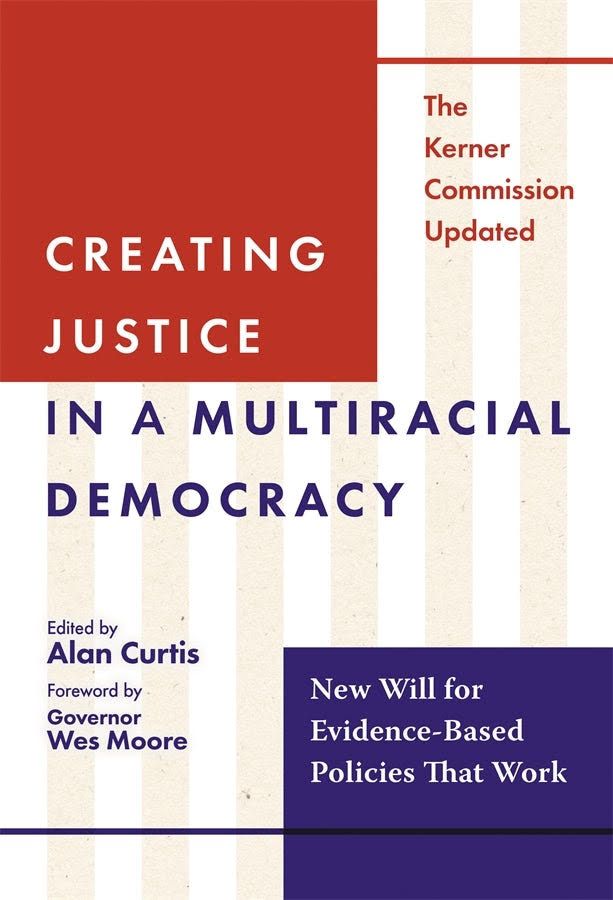
The Connection Between Poverty And Youth Violence: Root Causes and Evidence-Based Solutions
Youth violence does not occur in a vacuum. When neighborhoods face chronic disinvestment, underfunded schools, and limited employment pathways, conflict frequently follows. Understanding why young people engage in violent behavior requires examining the economic conditions surrounding their daily lives.
Across Washington, DC, decades of structural disinvestment have concentrated poverty in specific neighborhoods.
Families in these communities face persistent financial stress, limited access to living-wage jobs, and fewer community resources. These economic pressures ripple through households and neighborhoods, directly impacting youth well-being and community safety.
Addressing community violence requires moving past surface-level interventions to tackle underlying economic drivers. By examining decades of social data, policymakers and local leaders can implement targeted strategies that address the root causes of urban conflict and build lasting stability.
How Economic Inequality Drives Community Conflict
Poverty creates environment-wide stressors that increase vulnerability to conflict. When communities lack financial resources, basic infrastructure degrades, social safety nets weaken, and youth lose access to positive development opportunities. This cycle fosters conditions where violence can take root.
Resource Deprivation and Stress in Families
Persistent poverty places extreme pressure on parents and caregivers. Financial hardship increases household instability, housing insecurity, and parental stress, which reduces the time and resources available for youth mentorship. Over time, this lack of structural support leaves young people exposed to street-level risks without adequate intervention networks.
Disinvestment in Youth Infrastructure
Under-resourced neighborhoods often lack constructive outlets for youth energy and ambition. After-school programs, recreational centers, job training initiatives, and mental health counseling are frequently absent or severely underfunded. Without positive alternatives, youth are left to navigate dangerous social environments without guidance or safe public spaces.
The Intersection of Race, Geography, and Opportunity

Economic hardship in urban centers rarely impacts populations equally. Historical practices like redlining, discriminatory hiring, and unequal capital distribution have shaped modern urban landscapes, concentrating poverty within specific racial and ethnic groups.
Historical Disinvestment and Racial Inequality Research DC
Rigorous racial inequality research DC shows how historical exclusion directly fuels present-day disparities. Segregated housing patterns established decades ago continue to isolate minority families in low-income zones. This historical separation restricts generational wealth accumulation and starves local institutions of necessary tax revenue.
Geographic Isolation and Limited Economic Mobility
Geographic segregation cuts young people off from broader economic opportunity networks. High transit costs and spatial isolation make reaching quality employment centers or specialized educational programs difficult. When youth see few legitimate paths to financial security within their immediate surroundings, short-term survival strategies often overshadow long-term aspirations.
What Urban Violence Research Tells Us About Prevention
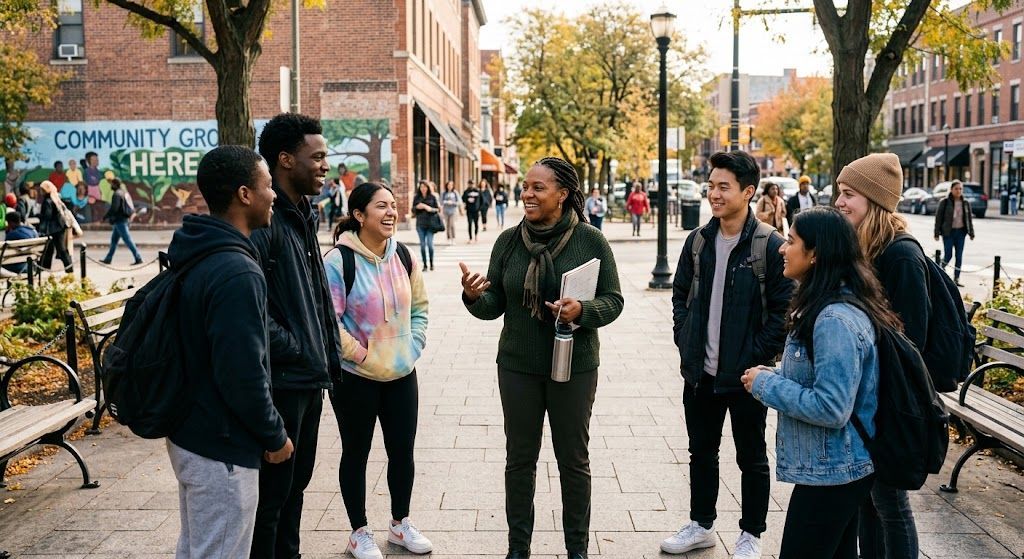
Effective violence reduction relies on data, not guesswork. National urban violence research consistently highlights that punitive measures alone fail to create long-term safety. Lasting stability requires combining focused law enforcement with comprehensive social and economic investments.
Community-Based Violence Intervention Models
Modern prevention efforts emphasize community-led intervention programs. Credible messengers—individuals from the community who carry trust and authority—work directly with high-risk youth to de-escalate disputes. When paired with direct socio-economic support, these interventions substantially reduce conflict indicators.
Economic Interventions as Violence Prevention
Direct economic investments yield high dividends in public safety. Youth employment initiatives, summer job placements, and vocational apprenticeships provide income while keeping young adults productively engaged. Connecting young people to real wage-earning opportunities addresses the economic desperation that frequently drives street activity.
Building Sustainable Youth Violence Prevention DC Programs

Creating effective youth violence prevention DC strategies requires aligning government policy, institutional research, and grassroots action. Single-issue programs rarely succeed; lasting change requires holistic frameworks that address school engagement, family economic security, and public safety simultaneously.
Integrating Mentorship with Skill Development
Programs combining personal mentorship with marketable skill building show strong long-term success rates. Teaching conflict resolution, financial literacy, and technical skills prepares young people for stable adult careers. These programs offer youth actionable pathways out of poverty and away from community violence.
Inter-Agency Collaboration and Data Sharing
Preventing community violence requires breaking down institutional silos. Education departments, public health agencies, economic development boards, and community organizations must share data and coordinate strategy. Unified efforts prevent high-risk youth from falling through structural gaps.
Addressing Poverty and Safety in Washington, DC
Washington, DC offers a stark illustration of how economic divide impacts youth outcomes. While parts of the district thrive, neighborhoods east of the Anacostia River continue to face elevated poverty and violent crime rates. Addressing these disparities demands tailored economic inequality research Washington DC focused directly on local conditions, ensuring city investments target the specific needs of vulnerable District youth.
Partner with The Eisenhower Foundation for Data-Driven Solutions
The Eisenhower Foundation delivers rigorous policy research, institutional evaluation, and strategic consulting to support effective community initiatives. If your agency, foundation, or legislative office is designing public safety or economic development strategies, our team provides the empirical guidance needed for meaningful impact. Contact us today at 202-234-8104 to discuss booking our experts as keynote speakers, policy advisors, or research consultants for your next project.
Frequently Asked Questions
How does poverty directly contribute to youth violence?
Poverty creates intense environmental stress, reduces family financial stability, and restricts access to quality educational and recreational opportunities. These combined pressures leave young people vulnerable to negative influences and dangerous social environments, increasing the likelihood of involvement in youth violence.
What are the most effective strategies for youth violence prevention?
Research shows that multi-layered approaches combining community-based intervention, direct youth employment programs, mentorship, and mental health services are most effective. Interventions providing immediate economic opportunity and conflict resolution training yield the strongest public safety results.
How can local governments evaluate the success of community safety programs?
Local governments can measure program impact by tracking participant employment outcomes, school retention rates, local conflict de-escalation metrics, and longitudinal crime statistics. Regular data collection ensures programs adapt effectively to shifting community needs.
What role does racial inequality play in urban violence rates?
Historical racial discrimination in housing, banking, and employment has concentrated poverty within specific minority communities. This structural inequality limits generational wealth building, restricts access to capital, and leaves targeted neighborhoods under-resourced, exacerbating conditions that foster violent conflict.
Addressing youth violence requires addressing the economic realities that fuel it. By investing in evidence-based policy, targeted research, and community-centered economic programs, civic leaders can build safer, more equitable neighborhoods across the nation's capital. Reach out to The Eisenhower Foundation at
202-234-8104 to integrate leading research into your organization's public safety strategies.