How Community-Based Programs Can Reduce Youth Crime
Every neighborhood across Washington, DC deserves streets where young people feel safe, supported, and optimistic about their future. Yet, many of our city's neighborhoods face persistent cycles of violence and limited economic mobility. When young people lack positive outlets, structured guidance, and real financial opportunities, community safety suffers as a whole.
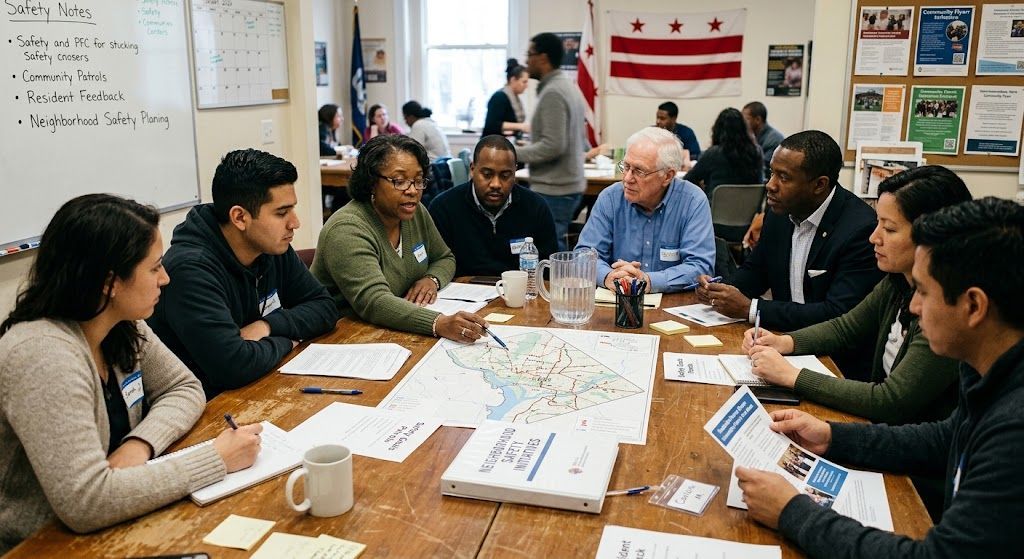
Addressing these challenges requires moving beyond short-term fixes and leaning into solutions driven by local residents. Grassroots initiatives and dedicated neighborhood organizations offer the structure and resources young people need to thrive. By focusing on root causes, community-driven strategies build lasting peace block by block.
Community-based crime prevention transforms public safety by surrounding young people with mentorship, job training, and conflict resolution tools. When residents, business leaders, and local advocates unite behind proven programs, neighborhood safety improves dramatically across our nation's capital.
The Power of Local Intervention in Neighborhood Safety
Public safety begins within the community. While traditional enforcement plays a role, long-term stability relies on strong local networks that support families before crises occur. Local interventions address neighborhood-specific challenges with deep understanding and empathy.
Why Grassroots Solutions Work Better Than Top-Down Approaches
Grassroots strategies work because they build on established relationships and trust. Trusted leaders, local mentors, and long-time residents understand the specific dynamics of their streets better than outside institutions. They recognize early warning signs and step in before minor tensions escalate into serious safety issues.
Top-down policies often overlook individual neighborhood needs. In contrast, local initiatives adapt quickly to real-time changes on the ground. By empowering residents to lead outreach efforts, these programs foster shared pride and collective responsibility for neighborhood safety.
Addressing Root Causes: Poverty, Mentorship, and Idle Time
Youth crime rarely happens in a vacuum. It stems from systemic issues like economic hardship, lack of mentorship, and unstructured idle time after school hours. Programs designed for community violence prevention in Washington DC focus directly on eliminating these core vulnerabilities.
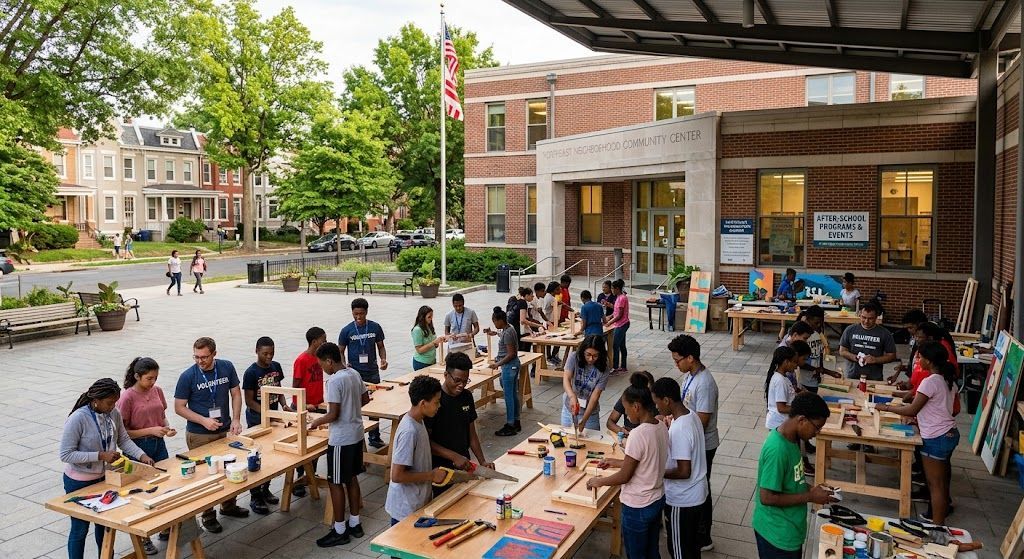
By filling out-of-school hours with constructive activities and connecting youth with reliable mentors, communities provide positive alternatives to destructive behaviors. Providing young people with emotional support and practical life skills changes how they perceive their future and choices.
Connecting Youth Employment Programs DC to Long-Term Safety
Economic opportunity remains one of the most effective tools for preventing youth involvement in crime. When young people secure steady employment, they build financial independence, gain self-confidence, and stay focused on productive goals.
Building Job Readiness and Financial Independence
Youth Employment Programs DC provide adolescents and young adults with essential workforce skills. From resume building and interview prep to financial literacy and workplace etiquette, these programs prepare participants for meaningful careers.

Earning a wage gives young people a tangible stake in their community. It lightens financial stress on families and opens doors to long-term career growth, demonstrating that hard work leads to real success.
Creating Clear Paths to Academic and Career Growth
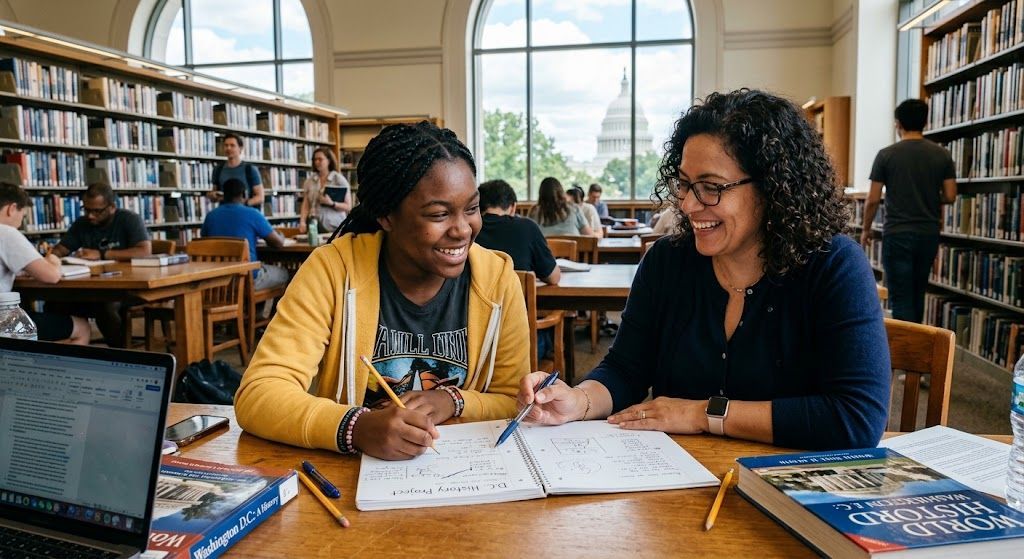
Workplace experience reinforces the value of education. Effective workforce initiatives connect job placements directly with academic tutoring, trade skills certifications, and higher education planning.
When young adults see a clear, achievable path to technical careers or college degrees, short-term risks lose their appeal. Sustainable career growth transforms lives and strengthens the local economy.
Targeted Support Through At-Risk Youth Programs DC

Certain young people face higher risks due to trauma, unstable home environments, or negative peer influence. Specialized interventions ensure these individuals receive dedicated support tailored to their unique circumstances.
Trauma-Informed Care and Mental Health Resources
Exposure to neighborhood violence leaves deep psychological scars. Effective at-risk youth programs DC integrate trauma-informed care into their daily activities, offering safe environments for healing.
Licensed counselors and trained mentors help young people process trauma, regulate emotions, and replace negative coping mechanisms with healthy choices. Prioritizing mental wellness builds emotional resilience across the community.
Conflict De-Escalation and Peer Mentorship
Learning to resolve conflicts peacefully is essential for personal growth and safety. Peer mentorship models train local leaders to mediate disputes before they escalate.
Youth respond well to peers who share similar life experiences. Mentors teach conflict de-escalation skills, showing participants how to handle heated situations calmly and productively.
Building Safer Block-by-Block Solutions in Washington, DC
Washington, DC is a city of distinct neighborhoods, from Historic Anacostia and Deanwood to Brightwood and Columbia Heights. Public safety strategies must reflect the specific needs of each Ward. The Eisenhower Foundation works directly with local partners across the District to implement proven, evidence-based programs that protect and uplift our youth. By uniting residents, small businesses, and community advocates, we strengthen the social fabric of every neighborhood across Washington, DC.
Partner with The Eisenhower Foundation to Strengthen Our Community
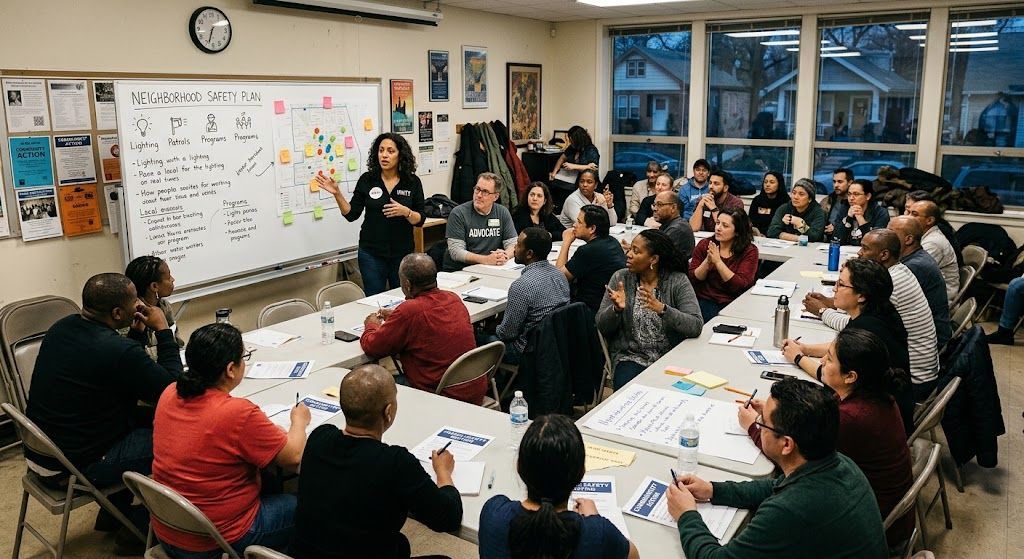
Creating lasting safety across District neighborhoods requires dedicated community action. The Eisenhower Foundation invites local business leaders, neighborhood associations, and youth advocates to step forward and make a difference. Join a local neighborhood coalition, volunteer as a youth mentor, or help fund high-impact youth programs in Washington, DC. Contact our team today at
202-234-8104 to discover how you can support our upcoming initiatives.
Frequently Asked Questions
How do community-based programs help reduce youth crime in urban neighborhoods?
Community-based programs reduce youth crime by addressing underlying social factors such as economic hardship, lack of mentorship, and idle time. They provide structured after-school activities, job skills training, and violence de-escalation support. By fostering strong local networks and positive opportunities, these programs keep young people focused on constructive goals.
What role do local businesses play in youth violence prevention?
Local businesses play a crucial role by sponsoring community events, offering internships, and hiring local youth through career training initiatives. Providing young adults with early work experience helps local businesses invest directly in neighborhood stability and safety.
How can residents get involved with community violence prevention efforts in Washington, DC?
Residents can get involved by joining neighborhood coalitions, volunteering as mentors, attending advisory board meetings, or donating to community programs. Organizations like The Eisenhower Foundation offer flexible options for residents to support safety and youth development in their neighborhoods.
What makes trauma-informed care essential for youth programs?
Trauma-informed care ensures that program leaders understand and address the emotional impact of exposure to violence and adversity. This approach provides safe spaces, mental health support, and constructive coping tools. Helping young people process trauma builds long-term emotional resilience and prevents conflict.
Building safe, vibrant neighborhoods across Washington, DC requires dedicated effort from all of us. When we invest in youth employment programs, mentorship, and community-based crime prevention, we create lasting opportunities for the next generation. Take action with The Eisenhower Foundation today—call 202-234-8104 or join a local coalition to support a safer future for our youth.